Boca is home base
We’re based in Boca Raton, so this is where we’re fastest. When you call, one of the two owners picks up, and the two people who look at the job are the same two people who do the work.
In Boca that helps. A lot of jobs here involve a condo board, a property manager, an insurance adjuster or an owner who’s out of state, and it’s simpler for all of them to deal with one person who saw the damage firsthand.
East Boca and west Boca are different jobs
Boca splits roughly at I-95, and the water problems on each side come from how that side was built.
East of I-95 is the older stock. Old Floresta goes back to the 1920s, and many homes in Boca Villas and around downtown still run original supply lines and drains. Downtown, around Mizner Park and Royal Palm Place, and out along the Intracoastal and A1A, a lot of people live in condos that share walls, ceilings and plumbing with their neighbors.
West of I-95, much of Boca is single-family homes in gated communities like Boca West, Boca Falls, Mission Bay and Boca Pointe. The houses are bigger and many of them sit empty for part of the year. Leaks there usually come from the AC, and they often run longer before anyone notices.
The AC closet and the attic air handler
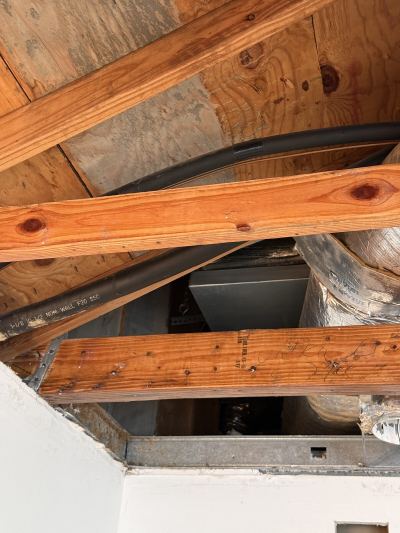
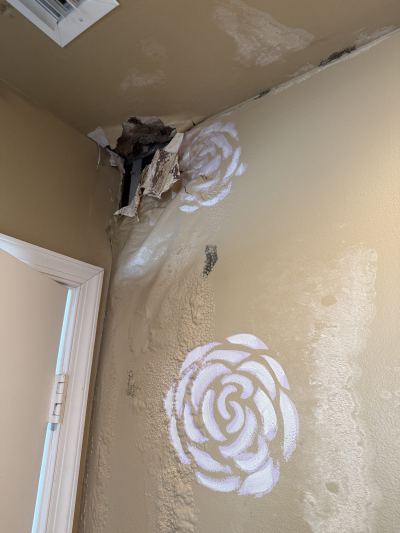
Year-round cooling means the condensate line runs almost every day. When it clogs with algae and dust, the pan overflows. If the air handler sits in a closet, the water goes into the closet wall and the floor. If it sits in the attic, the water lands on the back of a finished ceiling.
Neither one looks like much at first, maybe a ceiling stain the size of a plate or a soft spot at the bottom of the closet wall. By the time you see it, the water has usually been dripping for weeks.
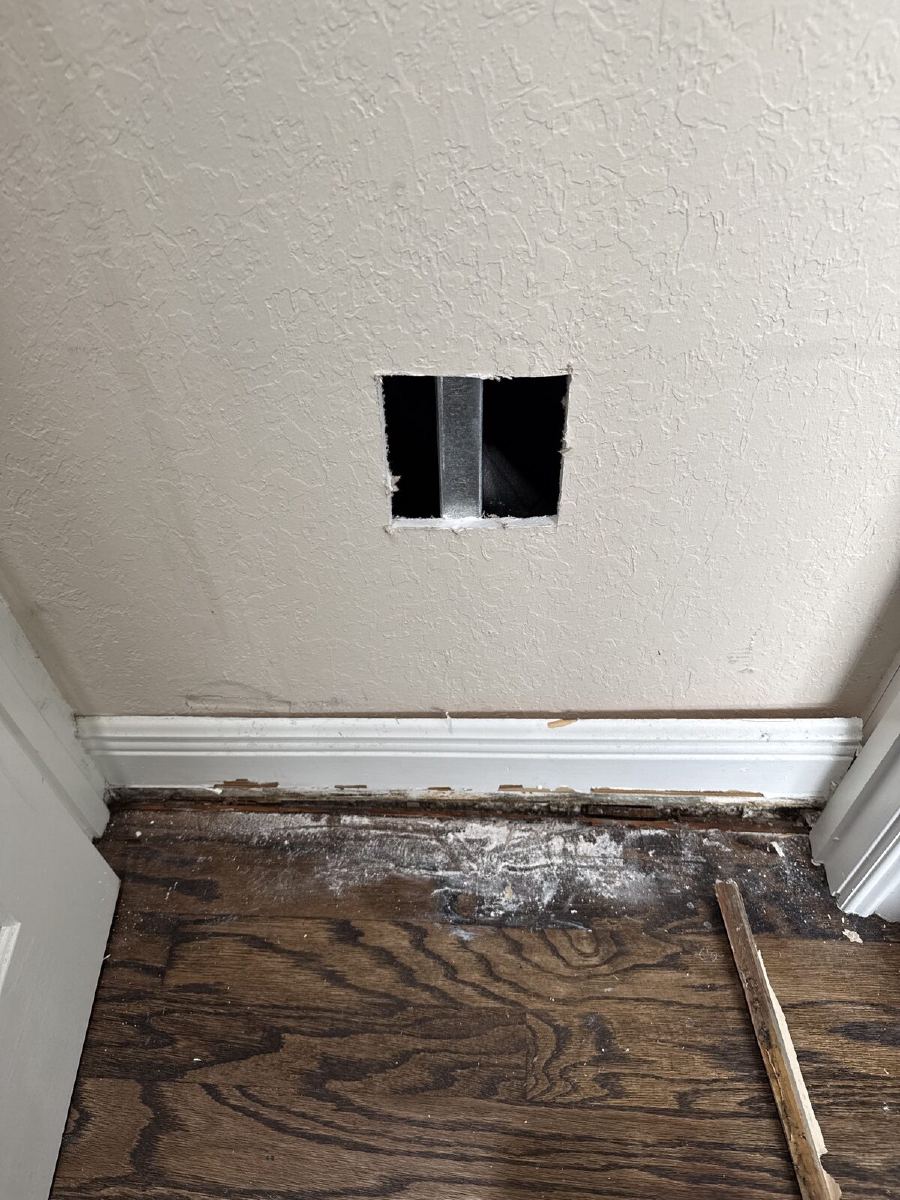
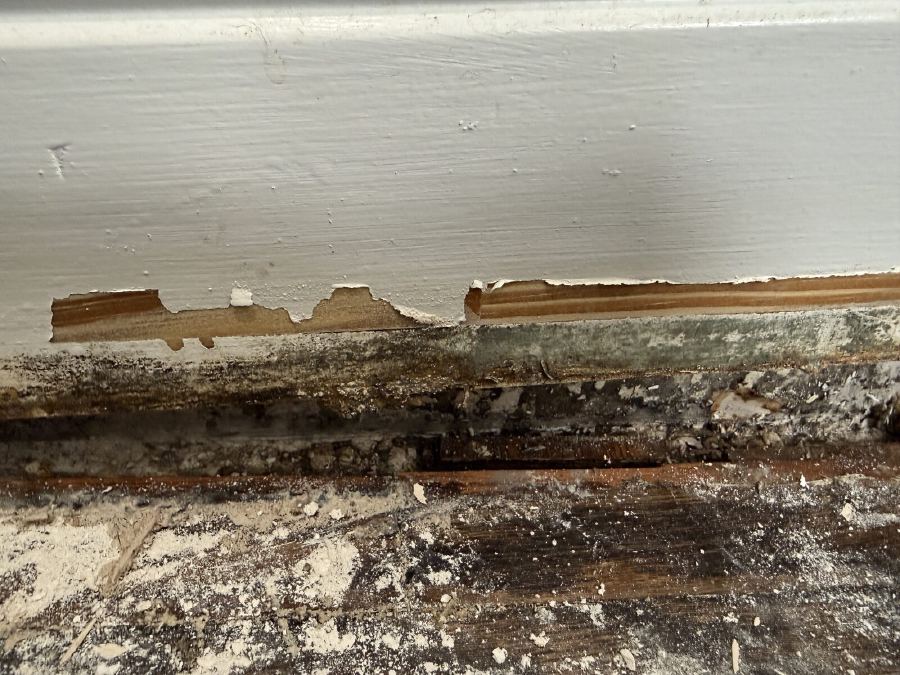
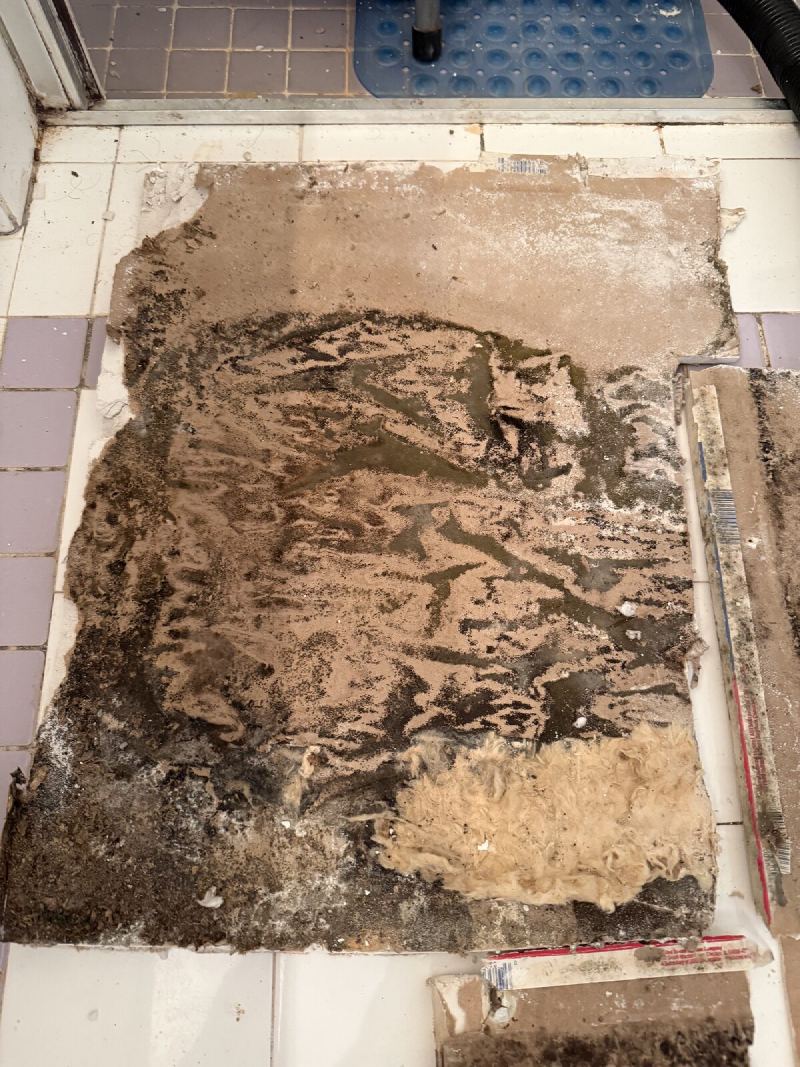
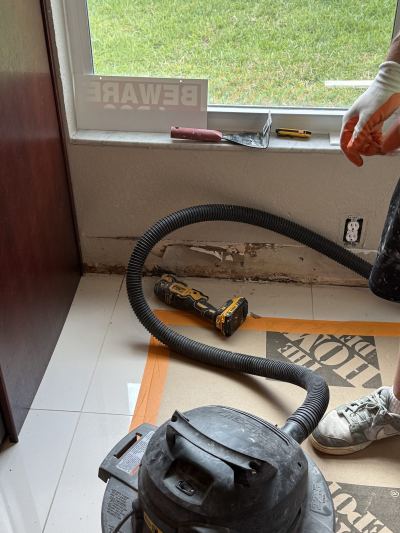
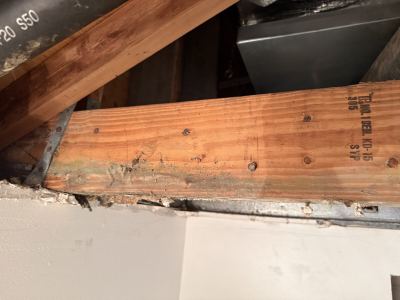
In a west Boca home, an overflowing AC closet put water under the hardwood and mold behind the baseboards before anyone saw a thing. See what we found in that closet. We opened the attic version in nearby Parkland and found mold across the back of the ceiling drywall, well past the stain. Read how that job went.
To catch it early, look at the ceiling or wall under your air handler once a month, and ask your AC tech to clear the drain line at every service.
Kitchens: find every source
Kitchen leaks rarely come from one place. The sink supply lines, the dishwasher connection and the ice-maker line behind the refrigerator all sit behind cabinets, out of sight.
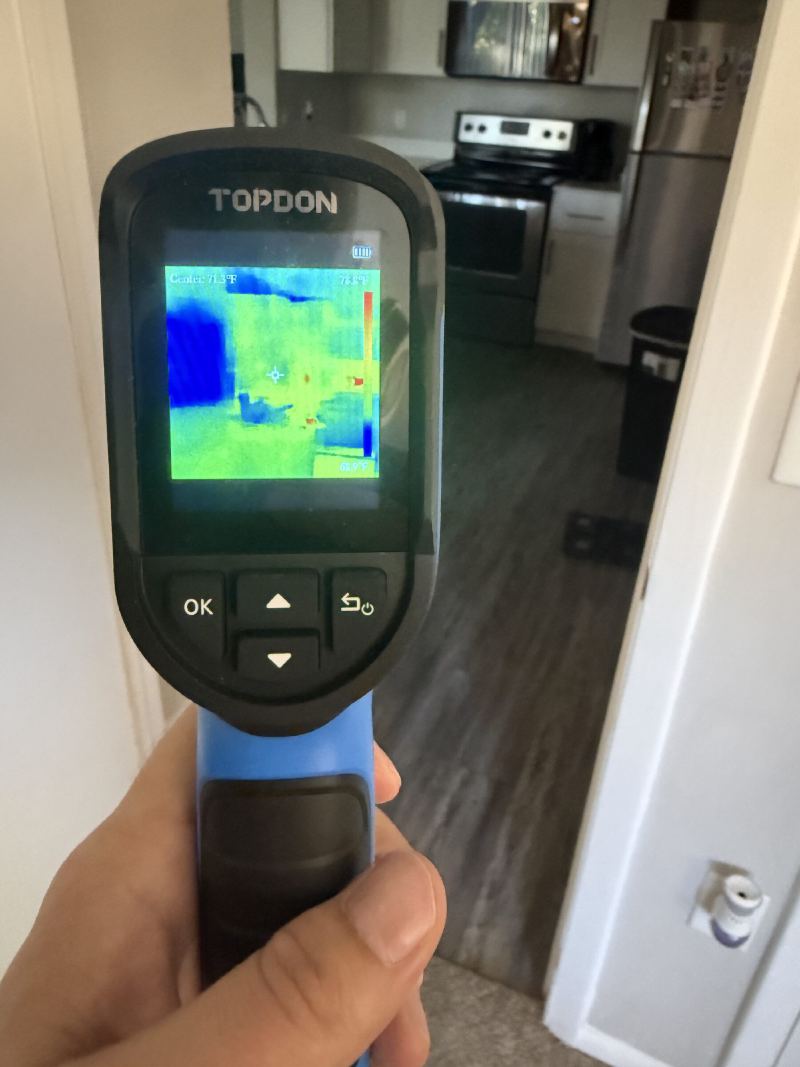
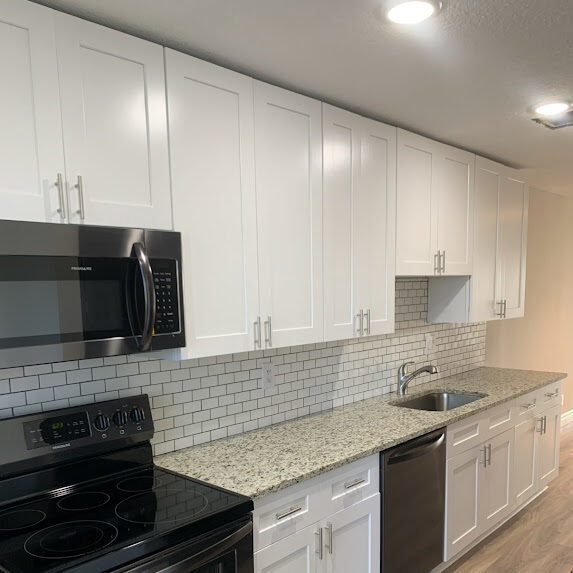
In one Boca home we found two separate leaks feeding the same area: a small puncture in the refrigerator water line and a second leak behind the dishwasher. Fixing one and missing the other would have brought the mold right back. How we found both.
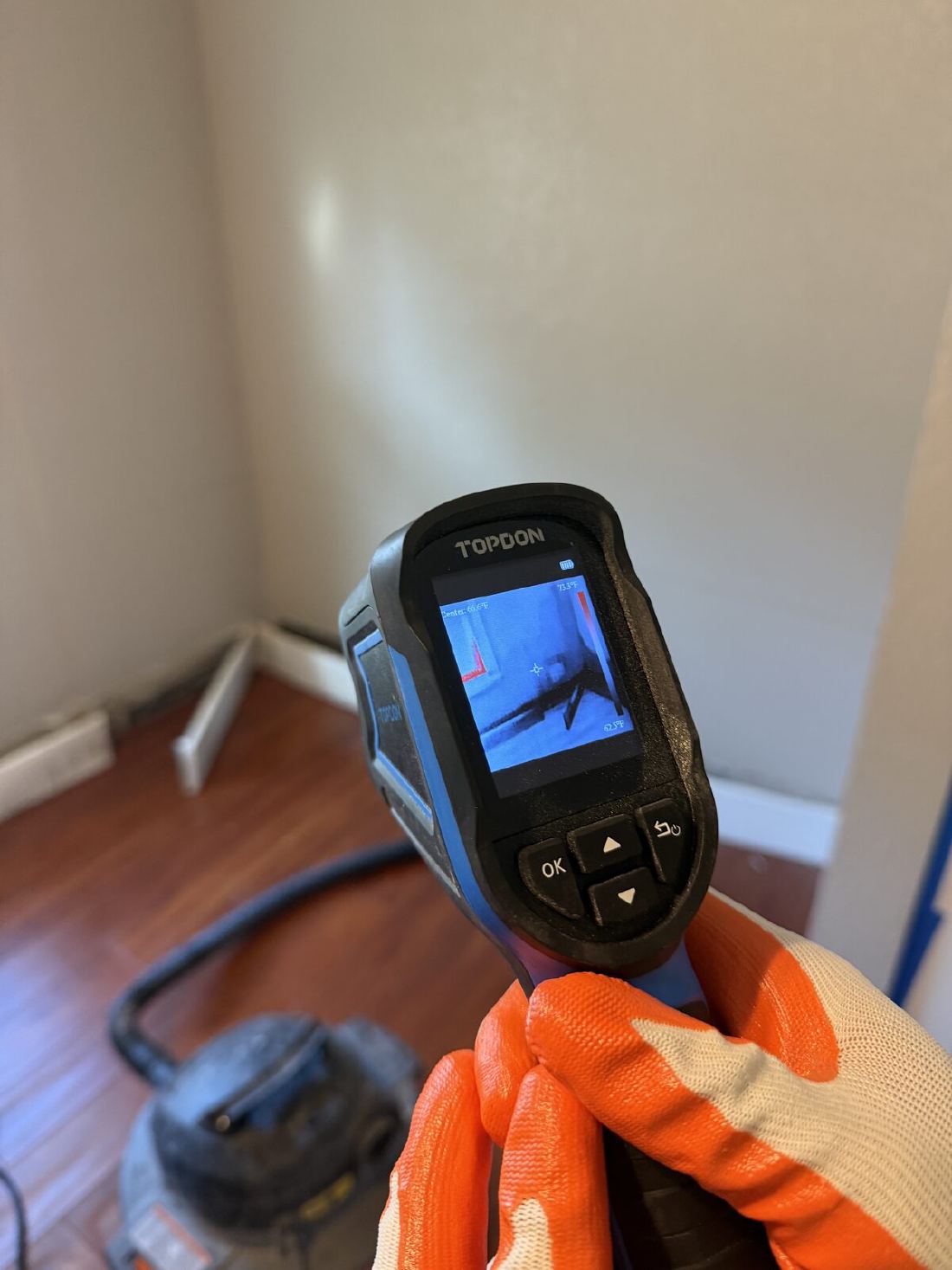
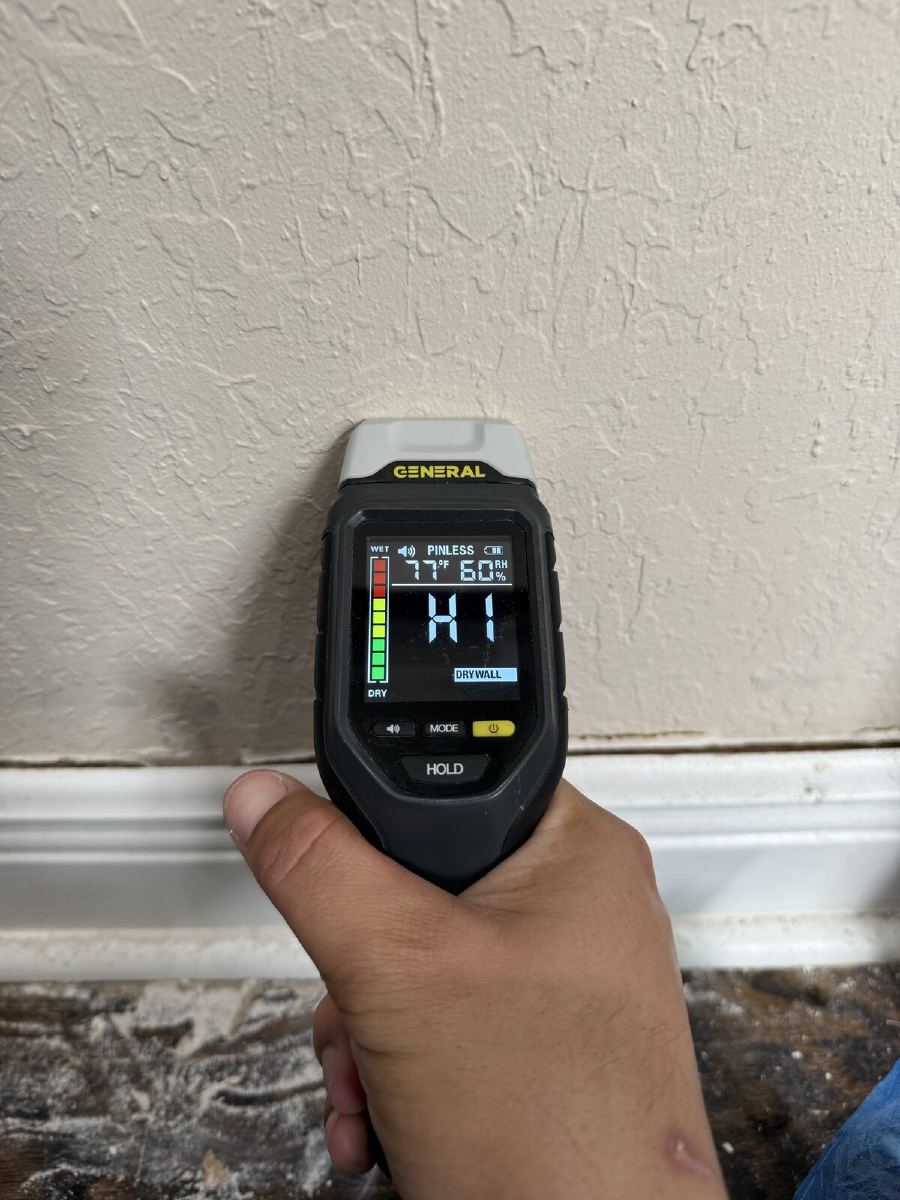
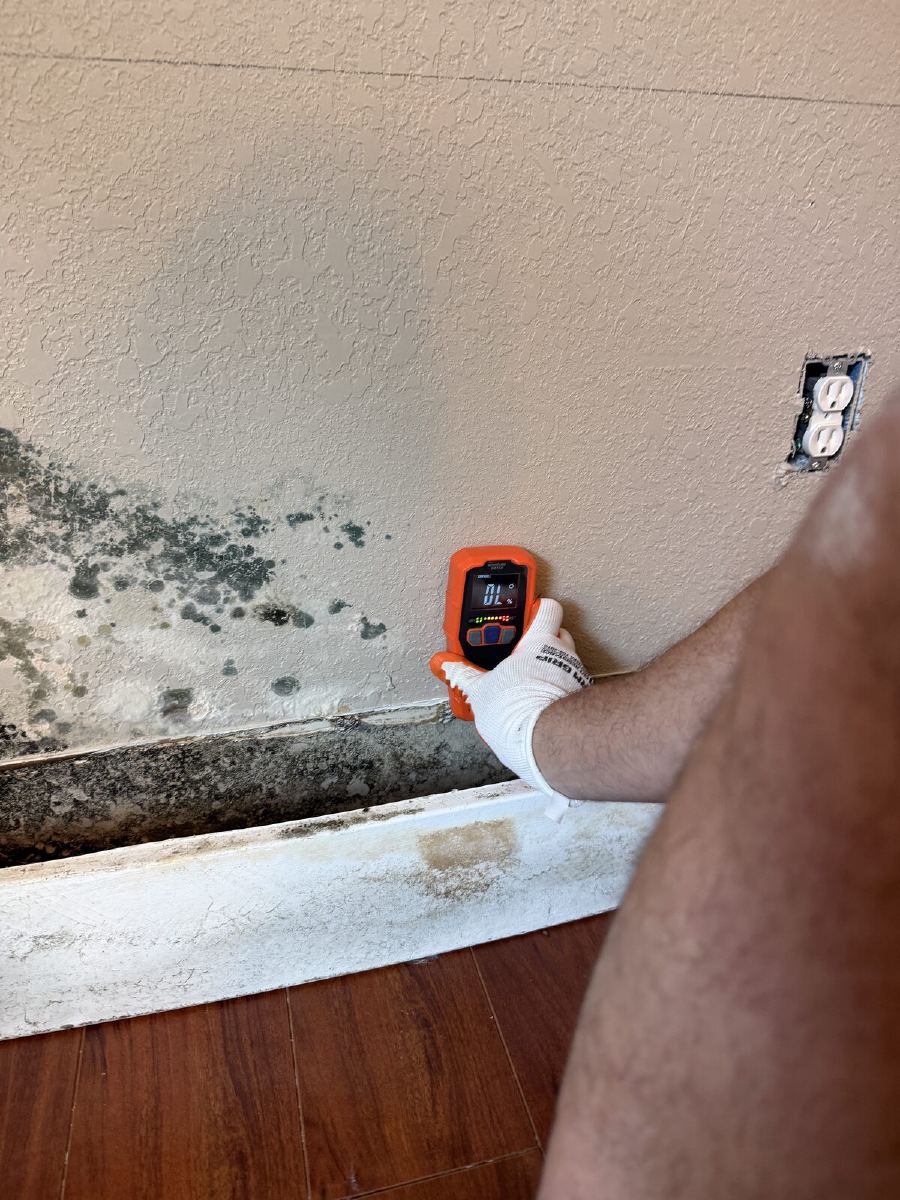
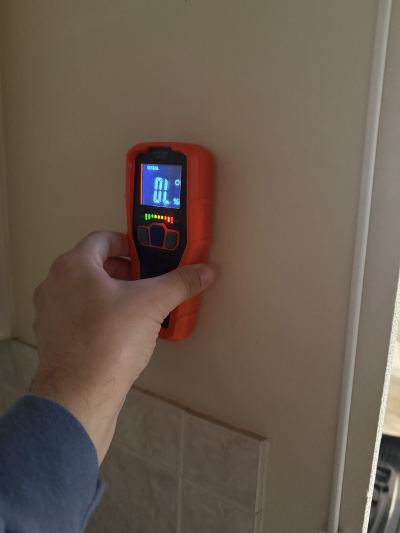
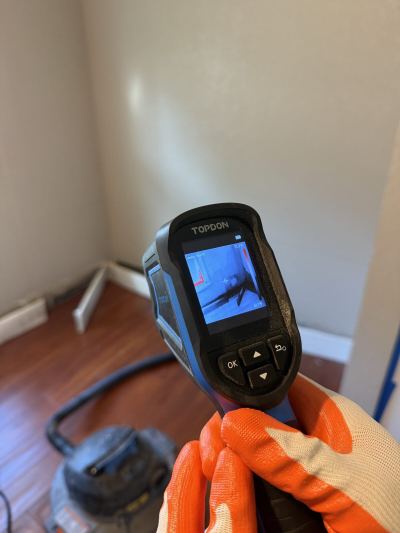
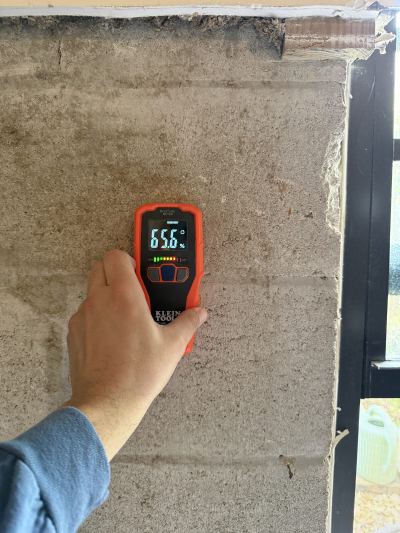
We trace moisture with thermal imaging and moisture meters before anything gets opened. That way we cut where the water went instead of guessing from the stain.
Condos: when the water comes from upstairs
In a Boca condo, the leak that ruins your kitchen or bathroom often isn’t yours. A water heater, a supply line or a drain in the unit above lets go, and the water follows the wall down into your space.
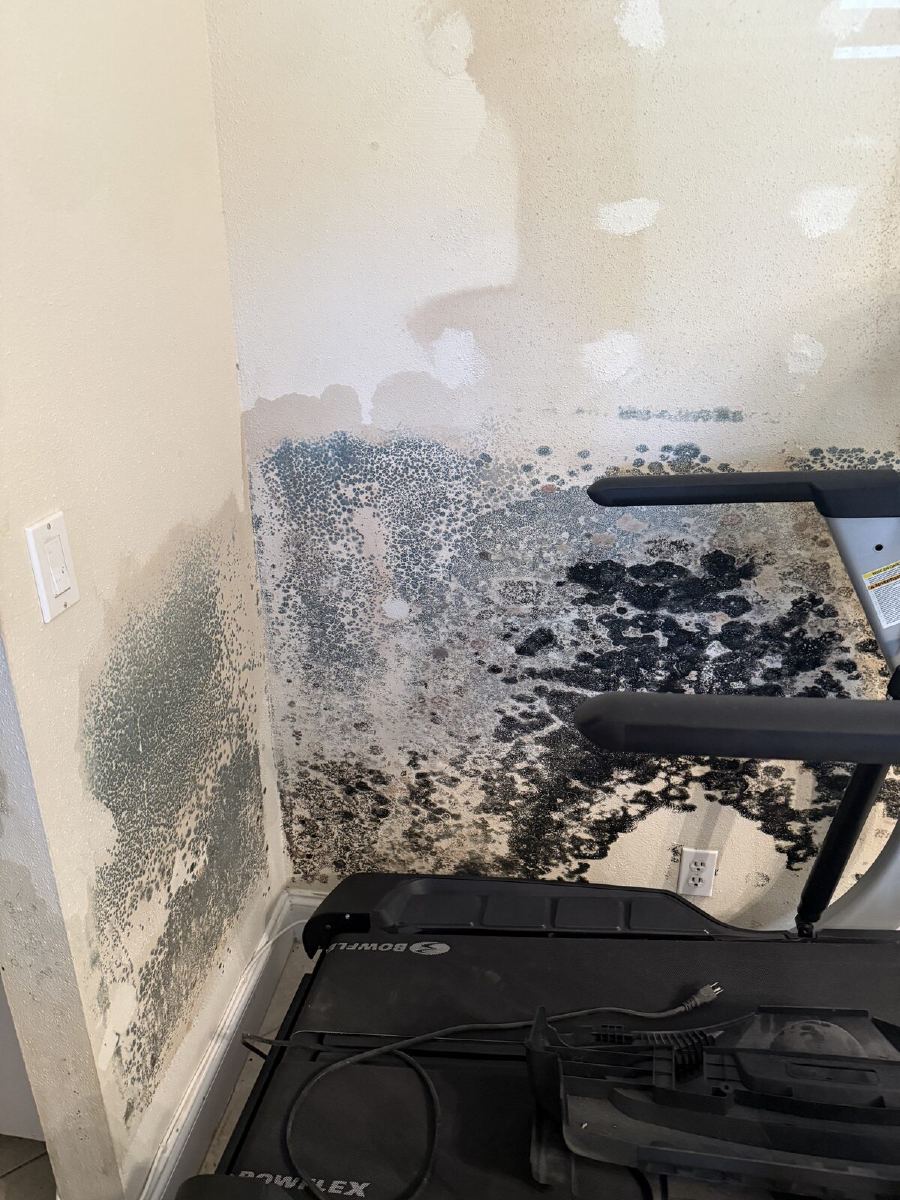
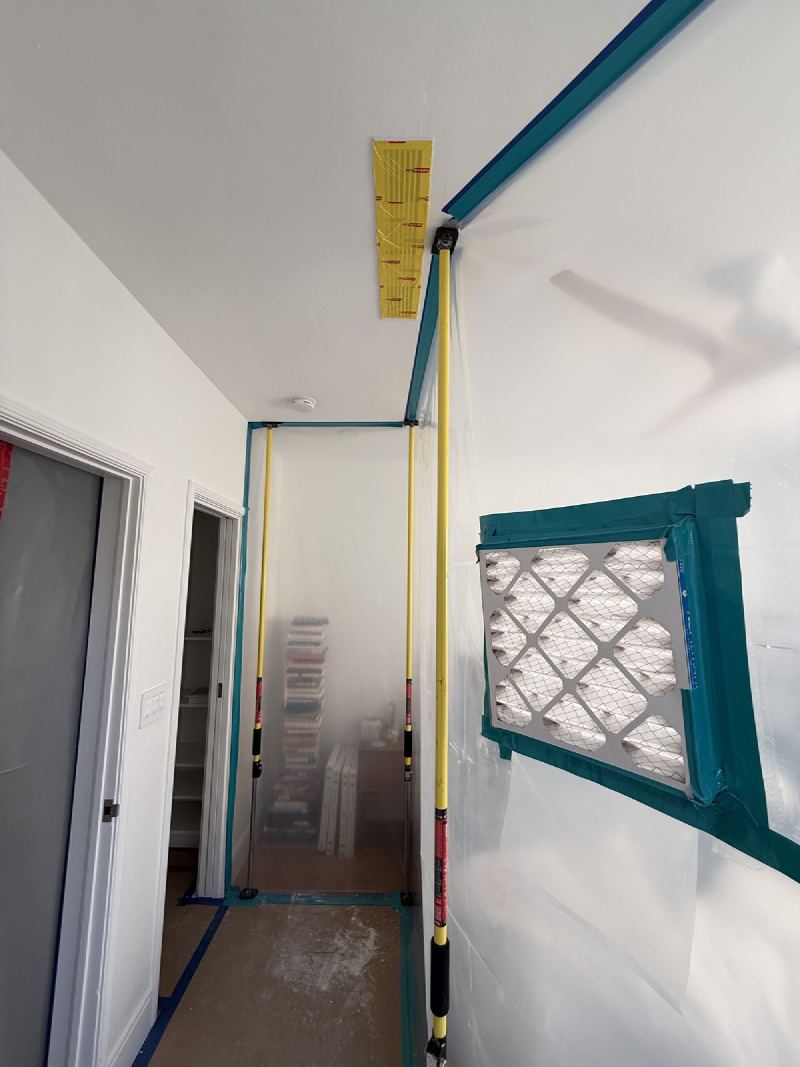
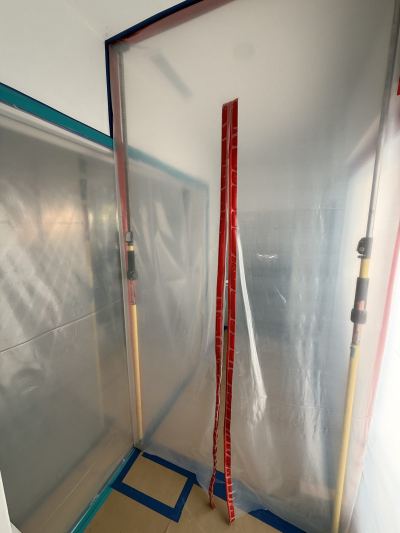
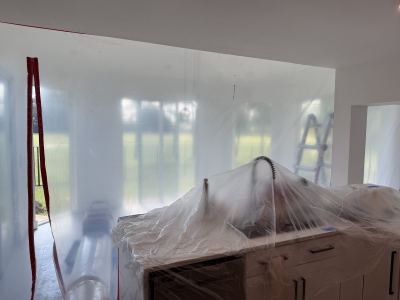
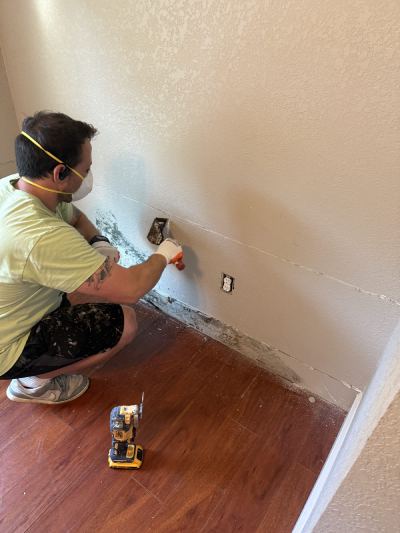
That’s what happened in this Boca condo. A hot-water leak from the unit above soaked the shared wall. By the time dark staining showed on the drywall, black mold had taken hold behind it, around the bathroom vanity and near the laundry area. We set up full containment, ran HEPA air scrubbers, removed what the mold had rooted into, and kept everything out of the shared hallways.
If it’s happening to you right now:
- Shut off the water to your unit if the source could be yours, and tell the neighbor above and the association.
- Take photos before anything gets moved or cleaned up.
- Don’t wait for someone to decide who pays. Get the water dealt with now and sort out the insurance after.
Generally your policy covers your unit and your neighbor’s covers theirs, but the association’s documents and the cause of the leak can change that. Our insurance claims page walks through what’s usually covered and what usually isn’t.
Storms, flooding and wind-driven rain
Rainy season and tropical systems push water in around windows, sliders and doors, flood zone or not. Homes on the Intracoastal and along the canals take it hardest.
Rain that blows in around a window is usually cleaner water, and if it’s dried quickly most materials can be saved. Water that comes in from outside at ground level is a different job. Flood water can carry sewage, bacteria and chemicals, and anything porous it soaked usually has to come out. Flood vs. water damage explains how that changes the work and the insurance.
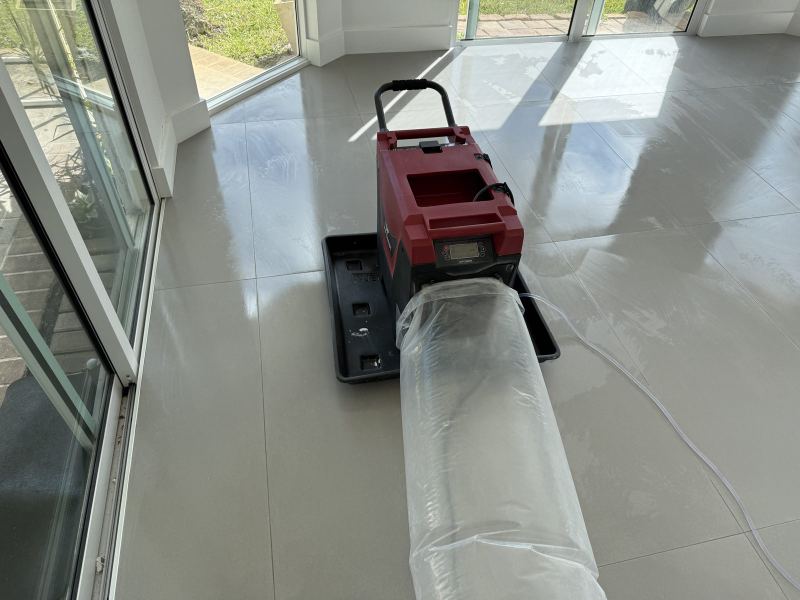
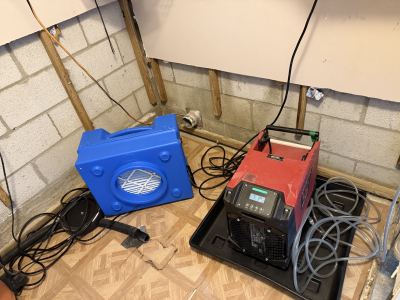
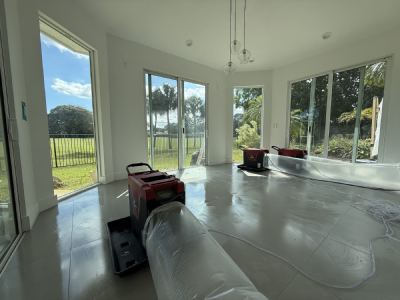
If there’s standing water, the first step is getting it out and getting air moving. That’s emergency water extraction, followed by structural drying, which keeps going until the moisture meter reads dry, even after the surface feels dry.
Homes that sit empty part of the year
A lot of Boca’s gated communities empty out from late spring to fall. A closed-up house with the AC off or set too high can grow mold on its own, and a small leak runs for months with nobody there to smell it.
If you’re heading back soon, we put together a room-by-room checklist for opening up a home that sat closed.
If you manage homes for owners who live up north, call us directly. We’ll coordinate access with you and document what we find so the owner can see it from wherever they are.
Testing is a separate call
Florida law doesn’t let the same company both assess and remediate the same job. We’re licensed remediators, so when testing makes sense, an independent assessor does it, and we’ll tell you straight when it’s worth paying for. Mold inspection vs. mold remediation covers who to call first.
What it costs in Boca
Small, caught-early jobs run a few hundred dollars. Most jobs land in the low thousands. Large multi-room losses with rebuild work run higher. On a covered claim, insurance usually pays most of it.
We don’t quote off a photo. You get an honest number after a free inspection, before any work starts. If it’s a surface spot you can wipe down yourself, we’ll tell you that instead of selling you a job.
The same two owners cover Delray Beach to the north and Deerfield Beach to the south. See how our mold remediation works.
We’re licensed for mold remediation in Florida under MRSR5407, IICRC certified, and we answer 24/7 at (954) 778-0925.